导演:
Radványi Géza
主演:
Artúr SomlayMiklós GáborZsuzsa Bánki
状态:
已完结
剧情:
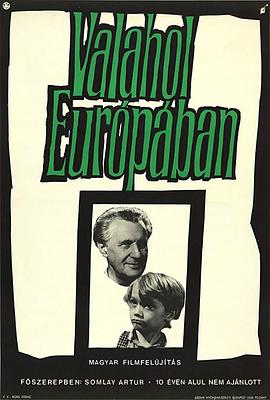
Somewhere in the remote region, the war ends. In the midst of ruined cities and houses in the street...展开s, in rural hamlets, everywhere where people still live, are children who have lost their homes and parents. Abandoned, hungry, and in rags, defenseless and humiliated, they wander through the world. Hunger drives them. Little streams of orphans merge into a river which rushes forward and submerges everything in its path. The children do not know any feeling; they know only the world of their enemies. They fight, steal, struggle for a mouthful of food, and violence is merely a means to get it. A gang led by Cahoun finds a refuge in an abandoned castle and encounters an old composer who has voluntarily retired into solitude from a world of hatred, treason, and crime. How can they find a common ground, how can they become mutual friends? The castle becomes their hiding place but possibly it will also be their first home which they may organize and must defend. But even for this, the price will be very high.To this simple story, the journalist, writer, poet, scriptwriter, movie director, and film theoretician Béla Balázs applied many years of experience. He and the director Géza Radványi created a work which opened a new postwar chapter in Hungarian film. Surprisingly, this film has not lost any of its impact over the years, especially on a profound philosophical level. That is to say, it is not merely a movie about war; it is not important in what location and in what period of time it takes place. It is a story outside of time about the joyless fate of children who pay dearly for the cruel war games of adults.At the time it was premiered, the movie was enthusiastically received by the critics. The main roles were taken by streetwise boys of a children's group who created their roles improvisationally in close contact with a few professional actors, and in the children's acting their own fresh experience of war's turmoil appears to be reflected. At the same time, their performance fits admirably into the mosaic of a very complex movie language. Balázs's influence revealed itself, above all, in the introductory sequences: an air raid on an amusement park, seen in a montage of dramatic situations evoking the last spasms of war, where, undoubtedly, we discern the influence of classical Soviet cinematography. Shooting, the boy's escape, the locomotive's wheels, the shadows of soldiers with submachine guns, the sound of a whistle—the images are linked together in abrupt sequences in which varying shots and expressive sharp sounds are emphasized. A perfectly planned screenplay avoided all elements of sentimentality, time-worn stereotypes of wronged children, romanticism and cheap simplification. The authors succeeded in bridging the perilous dramatic abyss of the metamorphosis of a children's community. Their telling of the story (the scene of pillaging, the assault on the castle, etc) independently introduced some neorealist elements which, at that time, were being propagated in Italy by De Sica, Rossellini, and other film artists. The rebukes of contemporary critics, who called attention to "formalism for its own sake" have been forgotten. The masterly art of cameraman Barnabás Hegyi gives vitality to the poetic images. His angle shots of the children, his composition of scenes in the castle interior, are a living document of the times, and underline the atmosphere and the characters of the protagonists. The success of the picture was also enhanced by the musical art of composer Dénes Buday who, in tense situations, inserted the theme of the Marseilaise into the movie's structure, as a motive of community unification, as an expression of friendship and the possibility of understanding.Valahol Europaban is the first significant postwar Hungarian film. It originated in a relaxed atmosphere, replete with joy and euphoria, and it includes these elements in order to demonstrate the strength of humanism, tolerance, and friendship. It represents a general condemnation of war anywhere in the world, in any form.收起



 7.2 HD
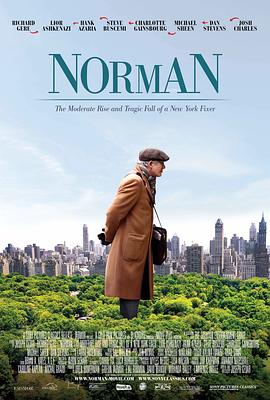
Norman Oppenheimer is a small time operator who befriends a young politician at a low point in his
7.2 HD
Norman Oppenheimer is a small time operator who befriends a young politician at a low point in his
 已完结
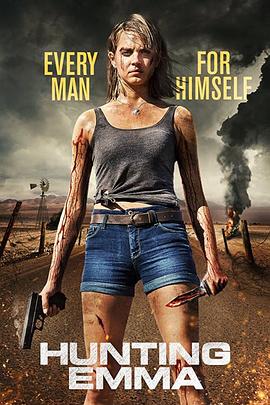
Emma le Roux just wants to go home for the holidays. Gentle, beautiful, pacifist Emma. She's m
已完结
Emma le Roux just wants to go home for the holidays. Gentle, beautiful, pacifist Emma. She's m
 HD
和克琳在高中时意外失去家人,同样孓然一身的两人成为彼此的室友、挚友,以及唯一的依靠。从十六岁起默默相守相惜的两人,却始终没有越过那条线相恋: 一直瞒着克琳自己罹患绝症的事实,更因此不敢给她承诺。然而
HD
和克琳在高中时意外失去家人,同样孓然一身的两人成为彼此的室友、挚友,以及唯一的依靠。从十六岁起默默相守相惜的两人,却始终没有越过那条线相恋: 一直瞒着克琳自己罹患绝症的事实,更因此不敢给她承诺。然而
 6.1 已完结
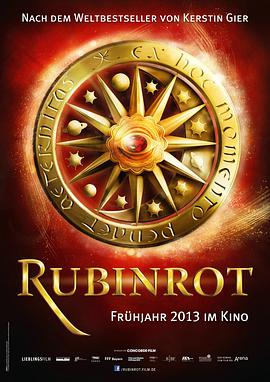
根據Kerstin Gier的暢銷三部曲小說改變的電影「Rubinrot」 (Ruby Red)已在德國與俄羅斯上映。講述了被家族時空穿越基因的煩惱的16歲小女孩,某一天突然莫名穿越來到19世
6.1 已完结
根據Kerstin Gier的暢銷三部曲小說改變的電影「Rubinrot」 (Ruby Red)已在德國與俄羅斯上映。講述了被家族時空穿越基因的煩惱的16歲小女孩,某一天突然莫名穿越來到19世
 7.9 已完结
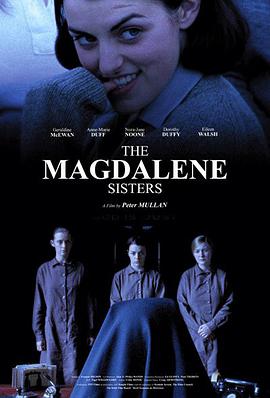
20世纪60年代,在自由开放的大环境下,古老的爱尔兰仍保持着古板和保守的风气。在这里,所有被认为堕落的女孩都要被送入玛德莲女子学院接受感化,而等待他们的不是和风细雨,而是无尽的黑暗与绝望。玛格
7.9 已完结
20世纪60年代,在自由开放的大环境下,古老的爱尔兰仍保持着古板和保守的风气。在这里,所有被认为堕落的女孩都要被送入玛德莲女子学院接受感化,而等待他们的不是和风细雨,而是无尽的黑暗与绝望。玛格
 5.9 HD中字
The film will explore society’s obsessions with the pursuit of happiness and will be presented by Ma
5.9 HD中字
The film will explore society’s obsessions with the pursuit of happiness and will be presented by Ma
 9.1 HD无对白
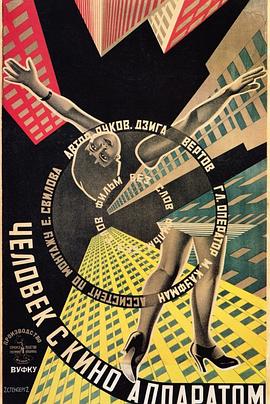
本片是苏联纪录片导演,“电影眼”理论的创始人吉加•维尔托夫(Dziga Vertov)的代表作。电影主要拍摄于乌克兰的敖德萨市,摄像师是维尔托夫的哥哥米凯尔•卡夫曼(Mikhail Kaufman
9.1 HD无对白
本片是苏联纪录片导演,“电影眼”理论的创始人吉加•维尔托夫(Dziga Vertov)的代表作。电影主要拍摄于乌克兰的敖德萨市,摄像师是维尔托夫的哥哥米凯尔•卡夫曼(Mikhail Kaufman
 8.8 HD中字版
不知曾几何时,世界天翻地覆。刚刚从车祸引起的剧烈冲撞和昏迷中醒来的男子(Andy Rodoreda 饰),迷迷糊糊看见副驾驶的妻子(Alison Gallagher 饰)向自己招手,然而却发现曾经
8.8 HD中字版
不知曾几何时,世界天翻地覆。刚刚从车祸引起的剧烈冲撞和昏迷中醒来的男子(Andy Rodoreda 饰),迷迷糊糊看见副驾驶的妻子(Alison Gallagher 饰)向自己招手,然而却发现曾经
 HD中字
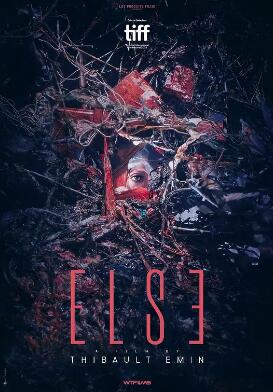
Thibault Emin’s mesmerizing debut feature intimately depicts a body-horror romance in the wake of
HD中字
Thibault Emin’s mesmerizing debut feature intimately depicts a body-horror romance in the wake of